
A Simple Guide to Understanding Your Pet’s X-Ray Results
A Simple Guide to Understanding Your Pet’s X-Ray Results
- posted: Dec. 09, 2025
When your pet needs diagnostic imaging, it’s completely normal to feel unsure about what the results really mean. At Ashworth Road Animal Hospital in West Des Moines, IA, we want to make pet X-rays as simple and stress-free as possible. Understanding the basics helps you feel more confident, and better prepared to support your pet’s care.
What X-Rays Show Your Veterinarian
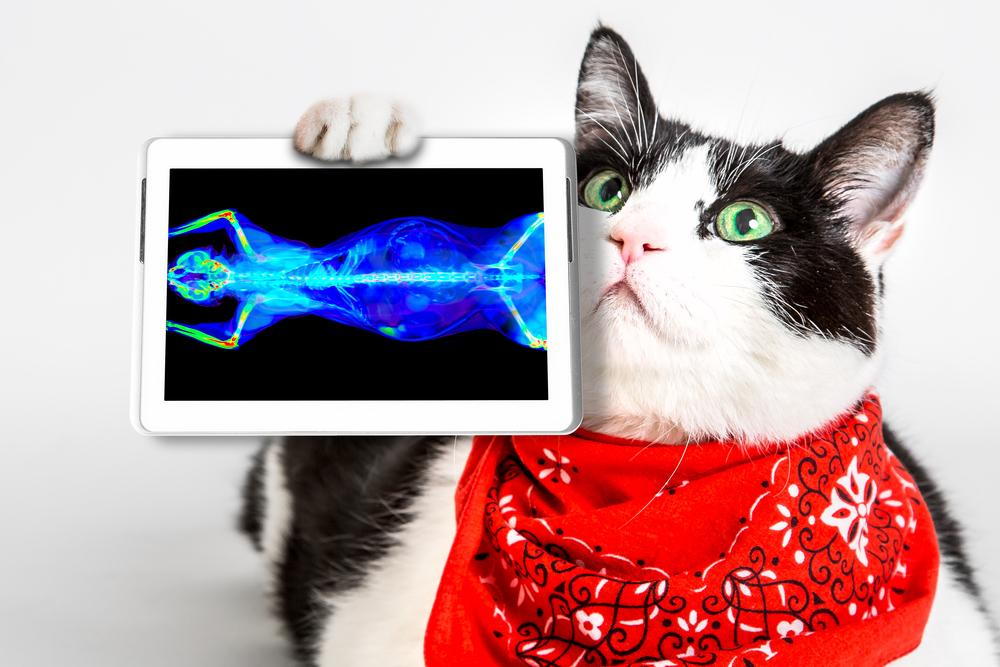
A pet X-ray gives your veterinarian a safe, noninvasive way to see what’s happening beneath the surface. These images can reveal:
• Bone fractures or joint issues
• Lung or heart concerns
• Signs of arthritis
• Foreign bodies your pet may have swallowed
• Organ enlargement or unusual shapes
Because X-rays offer a quick overview, they’re often one of the first steps in diagnosing pain, limping, coughing, digestive issues, or sudden changes in behavior.
Understanding the Light and Dark Areas
X-rays look like a mix of white, gray, and black tones, but each shade tells a story:
• White areas represent dense structures such as bones. These stand out clearly and help your veterinarian identify breaks, bone loss, or changes in joint health. Rocks and metal show up bright white.
• Gray shades show soft tissues—muscles, organs, and fat. Your veterinarian studies the size and shape of these areas for anything unusual. Fluid (such as urine) will also look gray.
• Dark regions indicate air-filled spaces like the lungs. Abnormal dark spots or strange patterns can sometimes point to infection, blockages, or digestive problems.
Your veterinarian will explain what’s normal and what needs attention, helping you understand exactly what the images reveal.
Are X-Rays Safe for Pets?
Yes. Modern pet x-ray treatment uses low levels of radiation, making the process safe and painless. Most pets relax easily during the procedure, but if your dog or cat is anxious or in pain, a light sedative may be recommended to help them stay still and comfortable.
Call Our Veterinarians Near You to Schedule a Visit Today
If you have questions about pet X-ray services or need diagnostic support in West Des Moines, IA, the Ashworth Road Animal Hospital team is here for you. Call (515) 225-1807 to speak with a trained professional who can guide you through the next steps for your pet’s care.
A Simple Guide to Understanding Your Pet’s X-Ray Results
- posted: Dec. 09, 2025
When your pet needs diagnostic imaging, it’s completely normal to feel unsure about what the results really mean. At Ashworth Road Animal Hospital in West Des Moines, IA, we want to make pet X-rays as simple and stress-free as possible. Understanding the basics helps you feel more confident, and better prepared to support your pet’s care.
What X-Rays Show Your Veterinarian
A pet X-ray gives your veterinarian a safe, noninvasive way to see what’s happening beneath the surface. These images can reveal:
• Bone fractures or joint issues
• Lung or heart concerns
• Signs of arthritis
• Foreign bodies your pet may have swallowed
• Organ enlargement or unusual shapes
Because X-rays offer a quick overview, they’re often one of the first steps in diagnosing pain, limping, coughing, digestive issues, or sudden changes in behavior.
Understanding the Light and Dark Areas
X-rays look like a mix of white, gray, and black tones, but each shade tells a story:
• White areas represent dense structures such as bones. These stand out clearly and help your veterinarian identify breaks, bone loss, or changes in joint health. Rocks and metal show up bright white.
• Gray shades show soft tissues—muscles, organs, and fat. Your veterinarian studies the size and shape of these areas for anything unusual. Fluid (such as urine) will also look gray.
• Dark regions indicate air-filled spaces like the lungs. Abnormal dark spots or strange patterns can sometimes point to infection, blockages, or digestive problems.
Your veterinarian will explain what’s normal and what needs attention, helping you understand exactly what the images reveal.
Are X-Rays Safe for Pets?
Yes. Modern pet x-ray treatment uses low levels of radiation, making the process safe and painless. Most pets relax easily during the procedure, but if your dog or cat is anxious or in pain, a light sedative may be recommended to help them stay still and comfortable.
Call Our Veterinarians Near You to Schedule a Visit Today
If you have questions about pet X-ray services or need diagnostic support in West Des Moines, IA, the Ashworth Road Animal Hospital team is here for you. Call (515) 225-1807 to speak with a trained professional who can guide you through the next steps for your pet’s care.
Our Location
HOURS OF OPERATION
West Des Moines Office
8:00 am - 6:00 pm
8:00 am - 6:00 pm
8:00 am - 6:00 pm
8:00 am - 6:00 pm
8:00 am - 6:00 pm
8:00 am - 12:00 pm
Closed